
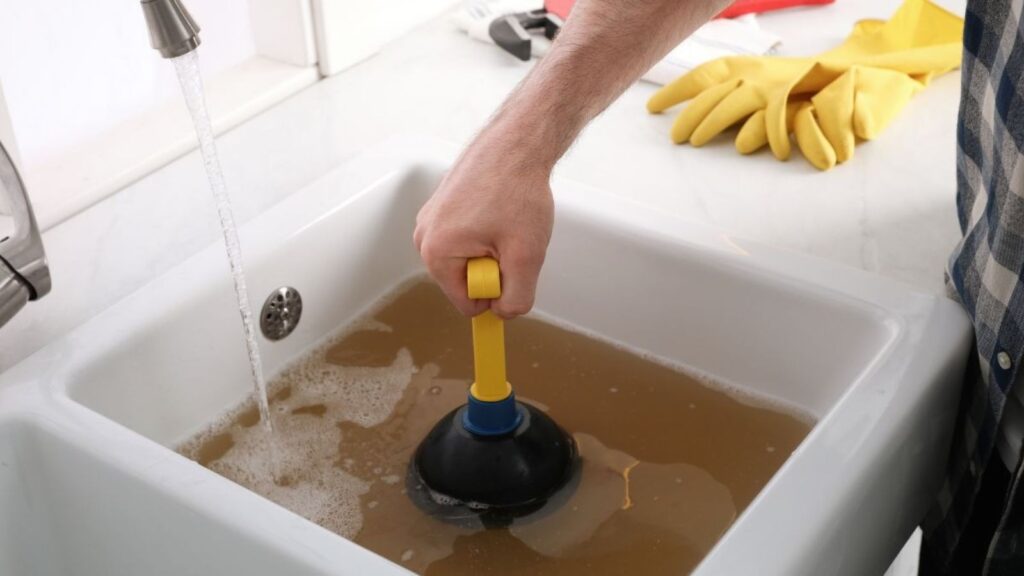
Kitchen sink problems can disrupt everyday routines, especially when water stops draining during meal preparation or cleanup. A clogged disposal and a clogged drain may seem like the same issue, but the distinction can affect how homeowners approach the problem.
For Omaha homeowners, kitchen plumbing issues can be frustrating when they interrupt daily tasks or keep the sink out of use.
Knowing why these problems can occur is a useful starting point for understanding the plumbing issue and deciding whether professional assistance may be needed.
How Disposal Clogs Differ From Drain Clogs
A garbage disposal grinds suitable food scraps, while the drainpipe carries wastewater away from the sink.
A clogged disposal may involve:
- Food scraps or foreign objects jamming the grinding mechanism
- A motor that hums but cannot turn the grinding components
- An electrical or mechanical fault
A clogged drain may involve:
- Grease and food residue restricting water flow
- A blockage in the disposal outlet, sink trap, or drain line
- An obstruction farther along a shared drain
A disposal can operate normally even when a blockage prevents wastewater from draining. The location of the obstruction determines which repair is needed.
Look for These Signs of a Disposal or Drain Clog
When distinguishing a clogged disposal from a clogged drain, pay attention to how the unit operates and whether water flows away from the sink.
| Symptom | Possible Cause | What It Suggests |
|---|---|---|
| Disposal hums but doesn’t grind | Jammed mechanism or mechanical fault | The grinding components may be unable to turn |
| Disposal makes no sound | Power issue or motor failure | The unit may not be operating |
| Disposal runs, but water remains in the sink | Blocked outlet or drainpipe | Wastewater cannot flow away properly |
| Sink drains slowly | Restricted drainpipe | A blockage may be limiting water flow |
| Both sink bowls back up | Shared drain restriction | The blockage may be where the drainage paths connect |
| Multiple fixtures drain poorly | Possible larger drain or sewer blockage | The problem may extend beyond the kitchen |
A humming unit that cannot grind suggests a disposal problem. If the disposal runs normally but water remains in the basin, a drainage restriction is more likely. Both issues can occur at once, so symptoms alone may not confirm the cause.
Find Out Why Disposal and Drain Clogs Develop
Disposal jams often result from unsuitable materials interfering with the grinding mechanism. Drain clogs usually develop as grease and food residue accumulate inside the pipes.
Materials that can cause disposal problems include:
- Fibrous scraps, such as celery strings and corn husks
- Hard objects the unit isn’t designed to process
- Too much food waste added at once
Check the manufacturer’s instructions because disposal capabilities vary by model.
Common contributors to drain blockages include:
- Cooking grease and oils that cling to pipe walls
- Food residue that collects around existing buildup
- Coffee grounds and starchy scraps that contribute to deposits
A garbage disposal doesn’t make all food scraps safe for the plumbing. Grinding reduces particle size but doesn’t eliminate the risk of blockages. Grease can also trap debris inside pipes and gradually restrict water flow.
Take the Right Steps Before Calling a Plumber
Avoid repeatedly switching on a disposal that hums without grinding, as continued operation can damage the motor.
If the unit appears jammed:
- Turn off the disposal and safely disconnect its power before attempting any manufacturer-approved inspection or jam-clearing procedure.
- Never put your hand inside the disposal, even when the switch is off.
- Follow the manufacturer’s instructions for approved jam-clearing or reset procedures.
- Stop if the unit remains jammed or shows signs of damage.
If the disposal runs but water remains in the sink:
- Stop adding water to avoid worsening the backup.
- Don’t repeatedly run the disposal to force the obstruction through.
- Avoid chemical drain cleaners unless the disposal and plumbing manufacturers specifically permit them.
- Don’t dismantle plumbing connections while standing wastewater remains in the sink.
If these steps don’t resolve the problem, the obstruction may be inside the disposal outlet, sink trap, or drain line. Leave further investigation to a local plumber.
Recognize When the Problem Needs Professional Attention
Arrange professional service if the disposal repeatedly jams, leaks, trips its electrical protection, or develops unusual grinding noises. Recurring backups may also indicate an obstruction that hasn’t been fully cleared.
Seek professional help if:
- A nearby bathtub, toilet, or floor drain also backs up.
- Several fixtures drain poorly at the same time.
- Wastewater backs up into another fixture when the kitchen sink is used.
- The problem continues after safe troubleshooting.
Multiple affected fixtures can indicate a shared drain or sewer line problem rather than an isolated kitchen clog. Tell the plumber which fixtures are affected and when the backup occurs.
In-Law Plumbing & Drain Services provides garbage disposal repair and installation and drain cleaning in the Omaha metro area. A professional inspection can help identify the source and determine the appropriate repair.
Get the Right Diagnosis for Your Kitchen Sink
A clogged disposal and a clogged drain can produce similar symptoms but require different solutions. Identifying whether the disposal is malfunctioning or wastewater cannot flow through the pipes helps determine the next step.
If the problem persists or multiple fixtures are affected, contact In-Law Plumbing & Drain Services for professional assistance.
Frequently Asked Questions
Can I use the sink if the garbage disposal stops working?
Possibly, if the drain remains clear and the disposal is switched off. Avoid putting food scraps down the sink, and stop using it if water begins to accumulate.
Why does my sink back up when I run the dishwasher?
Many dishwashers discharge wastewater through a hose connected to the kitchen sink’s drainage system, sometimes through the disposal. A restriction in that shared path can cause water to back up. If this happens repeatedly, have the drain connection and hose routing checked.
Can both sides of a double kitchen sink clog at once?
Yes. Double-bowl sinks commonly connect to a shared drain path. A blockage after the two sides join can prevent either bowl from draining, even if the disposal works normally.
Should I replace a garbage disposal that keeps jamming?
Not necessarily. Repeated jams may result from unsuitable materials, worn components, or a mechanical fault. Identifying the cause helps determine whether repair or replacement is appropriate.
Why does my kitchen drain smell bad even when water flows normally?
Food residue and grease can accumulate inside the drain or disposal, creating unpleasant odors. A dry or poorly functioning drain trap can also allow sewer odors into the room. If cleaning accessible components doesn’t resolve the smell, arrange a plumbing inspection.
Plumbing Problems? Make In-Law Plumbing Your First Call
Whether you are dealing with a backed-up drain, leaking pipe, plumbing repair, or another unexpected issue, In-Law Plumbing & Drain Services is ready to help. Our experienced team provides prompt, professional plumbing, drain, and sewer services throughout Omaha and the surrounding communities.
We treat your home with care, clearly explain what we find, and deliver quality workmanship backed by more than 40 years of combined experience.
Our Plumbing Services
Call 402-709-7059 or contact us today to schedule your plumbing, drain, or sewer service.