Summer can put a surprising amount of additional demand on a home’s plumbing system. Between watering lawns, filling pools, hosting backyard gatherings, doing more laundry, and having kids home from school, many Omaha households use considerably more water throughout the summer months.
That increased use does not necessarily cause plumbing problems. What it can do is expose issues that were already developing.
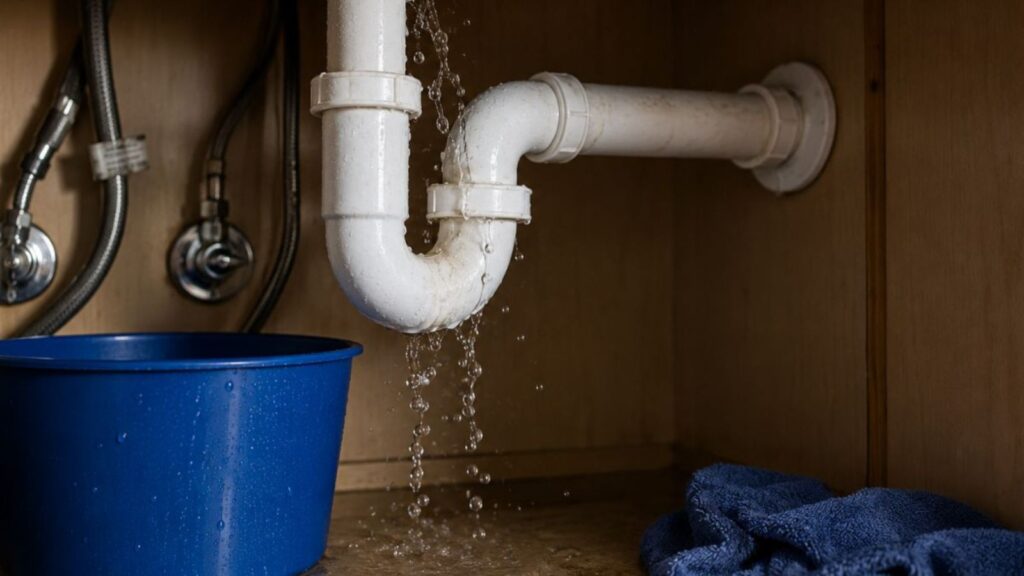
A faucet that only leaks when a garden hose is connected, a kitchen drain that gets slower after a weekend cookout, or a sump pump that struggles during a heavy thunderstorm can all be early warnings that something deserves attention.
Knowing what to watch for can help Omaha homeowners address smaller plumbing concerns before they become much more disruptive repairs.
Outdoor Faucets Can Reveal Problems Left Over From Winter
Outdoor plumbing gets relatively little attention for much of the year. Once summer arrives, hose bibs and exterior faucets may suddenly be used every day.
That’s often when homeowners discover damage that actually began months earlier.
A hose bib that froze during an Omaha winter, for example, may have developed a small crack that isn’t obvious until the faucet is used regularly again. Depending on where the damage occurred, water can leak outside or potentially enter the wall behind the fixture.
Watch for:
- Water dripping after the faucet has been shut off
- Leaks around the handle or connection
- Water appearing inside near an exterior faucet
- Reduced pressure from a fixture
- Unusual sounds when the faucet is running
Don’t assume a small outdoor leak is harmless simply because the water is outside. If the fixture or connected plumbing is damaged, the leak may extend farther than what is visible.
An Unexpected Water Bill Deserves a Second Look
Higher water bills aren’t unusual during an Omaha summer. Lawns need watering, gardens are growing, and families simply tend to use more water.
The important question is whether the increase makes sense.
If your household habits haven’t changed enough to explain a noticeable jump in usage, check for leaks before assuming summer watering is responsible.
Start with easy-to-inspect areas such as toilets, faucets, outdoor fixtures, and exposed plumbing beneath sinks. Outside, look for unusually wet soil or sections of grass that remain noticeably greener than surrounding areas.
You can also check the water meter when nobody is intentionally using water. Continued meter activity can be a clue that water is flowing somewhere in the system.
A hidden leak is usually less expensive to address when it’s discovered before damaged drywall, flooring, cabinetry, or other materials become the reason you notice it.
Summer Cookouts Can Be Hard on Kitchen Drains
Cookouts and family gatherings can generate a lot more kitchen cleanup than an ordinary meal.
That’s also when garbage disposals and kitchen drains tend to receive things they weren’t designed to handle.
Grease is one of the biggest problems. Pouring hot grease down the drain may appear harmless because it flows easily while warm. As it cools farther into the plumbing system, however, it can coat the inside of the pipe and contribute to restrictions.
Certain foods can create problems as well.
| Keep Out of the Disposal | Why It Can Cause Problems |
|---|---|
| Grease and cooking oils | Can cool and build up inside drain lines |
| Corn husks | Fibrous material can wrap around disposal components |
| Celery and other stringy vegetables | Fibers can become tangled inside the disposal |
| Fruit pits and hard bones | Can damage or jam disposal components |
| Large amounts of food scraps | Can overwhelm the disposal and contribute to drain restrictions |
A garbage disposal is designed to handle small amounts of appropriate food waste. It isn’t a substitute for scraping plates and disposing of grease in the trash.
Pay Attention When More Than One Drain Acts Differently
One slow bathroom sink may indicate a localized clog. Several plumbing fixtures behaving strangely at the same time can point to a larger issue.
This distinction matters.
If the kitchen sink, shower, and basement drain all begin draining slowly, repeatedly treating each fixture separately may not solve the actual problem.
Warning signs of a larger drain or sewer issue can include:
- Multiple slow drains
- Toilets gurgling after another fixture is used
- Water backing up into a lower-level drain
- Persistent sewer or drain odors
- A toilet bubbling when a sink, shower, or washing machine drains
In-Law Plumbing already sees clogged and slow drains as a common concern for Omaha homeowners during periods of increased summer water use.
When multiple fixtures are involved, having the drainage system evaluated can help determine whether the problem is farther down the line.
Heavy Omaha Storms Put Sump Pumps to the Test
Summer thunderstorms can send a large amount of water toward a home’s foundation in a short period of time.
That’s a bad moment to discover that a sump pump isn’t working correctly.
A sump pump may appear fine during dry weather because it simply hasn’t been required to do much. Heavy rainfall is when problems with the pump, float switch, discharge line, or backup system can suddenly become apparent.
Before the next major storm, homeowners can check the sump pit for debris and verify that the pump activates properly. The discharge line should also direct water away from the foundation.
Battery backup deserves consideration as well. Omaha’s intense summer thunderstorms can create basement flooding risks when a storm-related power outage leaves a primary sump pump unable to operate.
If your basement has a history of water intrusion, don’t wait until severe weather is approaching to determine whether the sump pump is ready.
Know Where Your Main Water Shutoff Is
One of the simplest summer plumbing preparations has nothing to do with maintenance.
Make sure everyone who needs to know can locate the home’s main water shutoff valve.
If a washing machine hose fails, a pipe begins leaking, or another plumbing emergency occurs, shutting off the water quickly can significantly limit how much water enters the home before a plumber arrives.
This is especially worth checking before leaving for a summer vacation.
Homeowners should know:
- Where the main shutoff valve is located
- How to operate it
- Whether it moves freely
- Who can access the home if a problem occurs while the family is away
A plumbing emergency is not the ideal time to begin searching for the shutoff.
Don’t Ignore Small Changes in Water Pressure
Changes in water pressure can be easy to dismiss, particularly if they happen gradually.
First determine whether the issue affects one fixture or the entire home.
Low pressure at a single faucet may be related to the fixture or aerator. A noticeable pressure change throughout the house deserves closer attention because several different plumbing issues could be involved.
Homeowners may notice:
- Showers suddenly feeling weaker
- Outdoor faucets losing pressure
- Pressure changing when multiple fixtures are used
- Faucets sputtering or producing inconsistent flow
The symptom alone doesn’t identify the cause, but a noticeable change from your home’s normal water pressure is worth investigating rather than simply getting used to it.
A Five-Minute Summer Plumbing Check Can Catch a Lot
Homeowners don’t need to perform a technical plumbing inspection to spot many early warning signs.
Every few weeks during summer, take a quick look around the areas where plumbing problems commonly appear.
Check beneath sinks for moisture. Look around toilets and water-using appliances. Test outdoor faucets. Pay attention to how quickly drains empty. Look around the water heater for moisture. Check the basement after a major storm. Compare your water bill with previous months.
Most importantly, pay attention to changes.
You know what is normal for your home. A new sound, smell, stain, drip, pressure change, or slow drain is often more useful information than waiting for an obvious plumbing failure.
Stay Ahead of Summer Plumbing Problems in Omaha
Summer plumbing problems in Omaha don’t always begin with a burst pipe or flooded basement. Often, the first warning is much smaller.
A dripping outdoor faucet, unexplained increase in water usage, recurring slow drain, unusual water pressure, or sump pump that isn’t operating normally can provide an opportunity to investigate the problem before it becomes more expensive.
If something about your plumbing has changed, don’t wait for a minor concern to become an emergency. Identifying the cause early can help protect your home and keep your plumbing working through the rest of the summer.
Frequently Asked Questions
Should I shut off my water before leaving for summer vacation?
For an extended trip, shutting off the home’s main water supply can reduce the risk of significant water damage if a plumbing leak occurs while nobody is home. Consider the needs of appliances, irrigation systems, and other equipment connected to the water supply before doing so.
How can I tell whether my higher summer water bill is normal?
Compare your usage with the same period from previous years if that information is available. Consider changes such as lawn watering, guests, pools, or additional laundry. If the increase seems disproportionate to your household’s activity, checking for leaks is worthwhile.
Should I use chemical drain cleaner on a slow drain?
Repeatedly relying on chemical drain cleaners isn’t a good substitute for identifying why a drain keeps slowing down. A recurring clog or multiple slow fixtures may indicate a problem that requires professional drain cleaning or further inspection.
How often should I test my sump pump?
It’s a good idea to test the sump pump periodically and especially before seasons when heavy rainfall is expected. Omaha homeowners should also consider checking the system before major summer storms if it hasn’t operated recently.
What should I do if several drains start backing up at once?
Stop using water unnecessarily and contact a plumber. Multiple affected fixtures can indicate a restriction in the home’s main drainage or sewer system rather than separate clogs.
Plumbing Problems? Make In-Law Plumbing Your First Call
Whether you are dealing with a backed-up drain, leaking pipe, plumbing repair, or another unexpected issue, In-Law Plumbing & Drain Services is ready to help. Our experienced team provides prompt, professional plumbing, drain, and sewer services throughout Omaha and the surrounding communities.
We treat your home with care, clearly explain what we find, and deliver quality workmanship backed by more than 40 years of combined experience.
Our Plumbing Services
Call 402-709-7059 or contact us today to schedule your plumbing, drain, or sewer service.